
 01 201 8700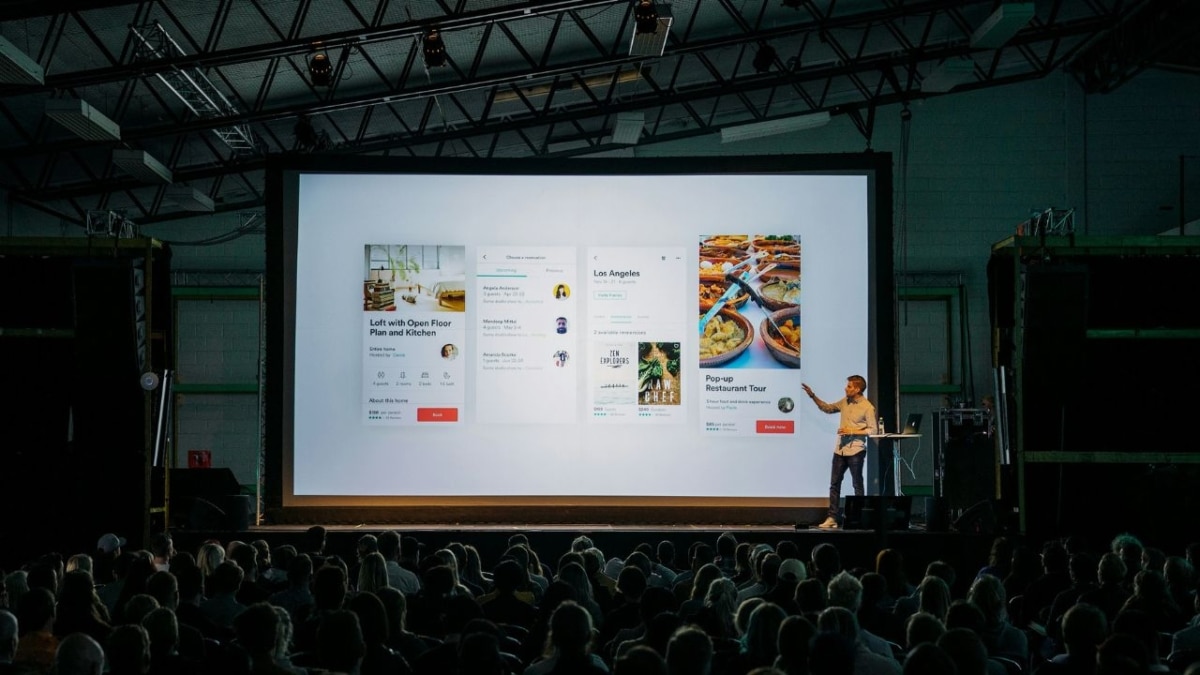
6 Types of Content that will Make Your Event Marketing Better
Some of the best conversation and engagement opportunities can be found outside the digital realm. But, if you want to maximize your ROI, you’ll need proper management, planning, and, naturally, marketing.
Event marketers spend a big portion of their budget on social media content. While that’s certainly important, there’s so much more you can do.
Don’t limit your marketing to one type of content. Instead, employ more types of content and make them work together.
Blog Posts

Writing about your event is simple, and yet, it can be quite effective. You can use your blog to ramp up the event. Let your team take part in it. They can say why they are excited about the event.
Blogging allows you to discuss the major themes, introduce guest speakers, and flesh out details of the schedule in a fun way, with a more personal touch. If your target audience finds your blogs useful, they are more likely to share them with others.
Make sure your writing is different from standard press releases. Talk about what sessions look intriguing, who you are excited to meet, etc. You’ll have something else to share on social media, and not just a link to your landing page.
If you plan on spending money on programming, you’d want to make sure people know what’s going on and how they can participate. Email can help you with that, but you must make sure your emails don’t look like everyday spam.
So, how can you make your emails stand out? Is it with a giveaway? Exclusive content? Something a bit extra from the design team? A bold subject line?
Take a long look at what you can do to set yourself apart from others. Although not unique, discounted, early-bird tickets will certainly get the ball rolling.
Don’t worry, you don’t have to get rid of your entire email strategy. You can still do your regular thing, but make sure to spice it up a bit. For example, you can include an event registration widget in your newsletters.
Let’s say your event has a particular theme. In that case, you can include an evergreen blog post on that topic in every email you send out.
Email is great for building up excitement and intrigue. But at the same time, you can use it to send out reminders. When the party’s done, use it to ask for feedback.
Podcasts

Creating a podcast just for the event isn’t a must, but it’s certainly worth considering. Podcasts are highly engaging for the audience. Use it to release snippets from attendees, interview guest speakers, air clips of live talks, etc.
If you make a regular thing out of it, you’ll always have something efficient to lean on when promoting future events. You can also seek out podcasts to appear on.
Podcast hosts are always looking for interesting guests and you can seize the opportunity to get the word out. Guests always have something “to plug”, so the listeners know you’re there to promote something, and they still tune in. It’s a great chance to build excitement, as well as reach a wider audience.
Outdoor Targeting
Don’t neglect old, tried and true strategies. A couple of strategically placed banners will get you far. Of course, placing them along busy roadways and intersections will yield great results.
But, as mention, they are busy. As such, they might be already taken. So, take your banners, flyers and stands near a similar, non-competing event. It’s a direct way of reaching your targets.
Bring your flyers and booklets to targeted venues and public places. You can brand your posters, boards, and banners with QR codes that lead to the event’s landing page. That will allow you to measure the impact.
Presentations

They can be powerful, but only if you do a good job as a presenter. If you stuff in a bunch of slides with too much info and read it right off them, you won’t keep your audience.
A great PowerPoint deck calls for a lot of researching, proofreading, editing, etc. But, that’s not your only way to network at conferences and trade shows. You can flesh out the story by bringing the event to the people, at least a taste of it.
You can do that with a stand, a few boards, some one-sheeters, and, most importantly, an excellent team. Show them right on the spot what the event will look like, as much as the circumstances allow.
That way, you don’t have to focus strictly on slides. Just make sure you and your staff are fluent in your brand messaging.
But, since attendees hear dozens of sales pitches at conferences and expos, you can’t expect them to remember everything. Prepare one-sheeters with concise info.
Presentations and stands are also your chance to carry out surveys. They allow you to learn more about your targets and their motivations.
The information you gather might help you tailor the event a bit and make a few last-minute tweaks. The insight could prove to be invaluable.
You can use it to make sure that your event has a perfect balance of workshops, talks, and live presentations that will be to everyone’s liking.
Of course, not all people like to complete surveys. So, you can use the next item on the list as an incentive.
Swag
Everyone likes free stuff. Even when they know that the free stuff will end up in their drawers, never to see daylight again. Be as it may, swag is a great branding tool, and you can use it to promote your event.
But, make sure you are giving away something useful, preferably something that can be used at the event. Power banks are always useful.
Is it an outdoor event? Hand out a couple of brander umbrellas. The more specific it is, the better.
Conclusion
Even though it’s far from rocket science, event marketing does require some strategic planning. Luckily, now you have a handful of tools at your disposal to overcome common event marketing challenges.
Of course, you don’t have to use all of them. Employing a couple of these strategies will get you enough buzz for your event. And, if you plan things right, you’ll be able to continue the momentum long after the party is over.

