
 01 201 8700
6 Types of Content that will Make Your Event Marketing Better
Event marketing content is the posts, emails, photos, video and stories that promote an event before it happens, capture it on the day and keep it working afterwards. Plan all three phases together and the same effort gets you more sign-ups, a better day and a library of material for the next event.
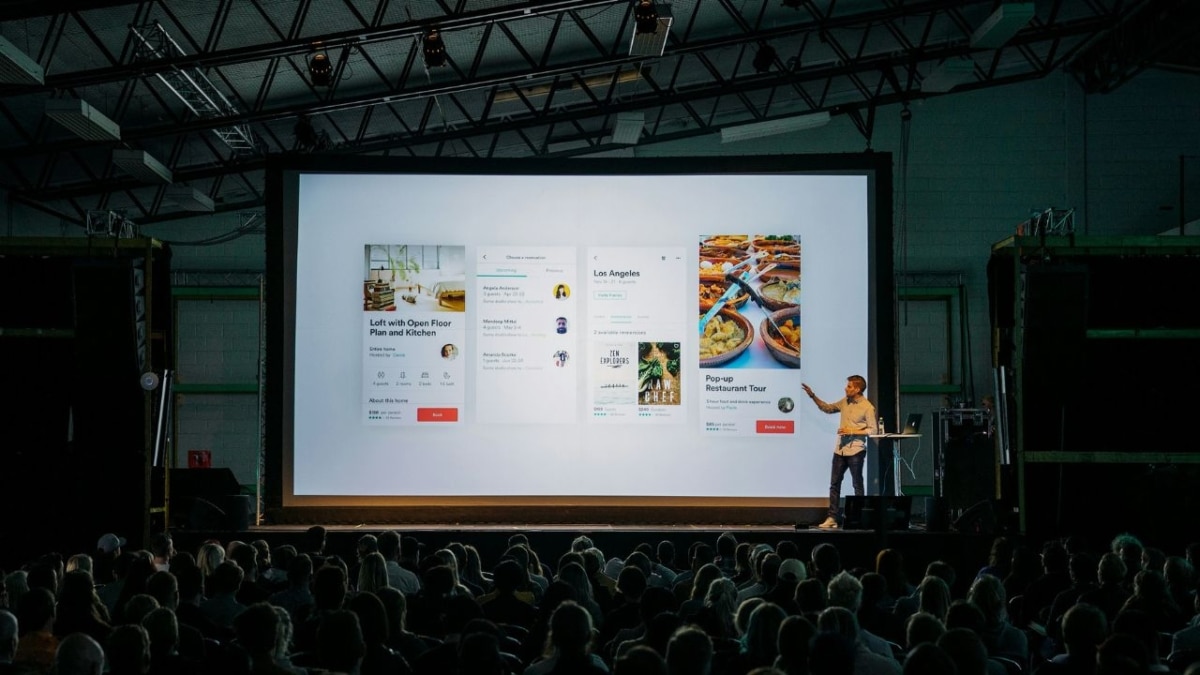
Don't leave the physical side until last. Whatever stands behind your speakers ends up in every photo and clip, so plan it with the content.
What to create before, during and after an event
Each phase has a different job. Before the event, content explains the theme, builds some anticipation and answers the "why should I go?" question that stops people registering. On the day, it captures what's happening and gives guests something to share. Afterwards, it thanks people, gathers feedback and turns one day into weeks of useful posts.
| Phase | Content to create | Where it goes | What to set up or print |
|---|---|---|---|
| Before | Announcement post, event page, speaker blog posts, teaser videos, email sequence, podcast slots | Website, email, social | A step-and-repeat media backdrop for teaser shoots and speaker portraits |
| During | Photos, short clips and stories, speaker quotes, vox pops, a quick poll | Social, live stories, press | A fabric stage backdrop behind speakers and pull up banners at registration |
| After | Thank-you email, highlights video, photo gallery, recap blog post, slides and recordings | Email, website, social | Nothing new: your best photos already carry your name and hashtag |
Plan the content before you promote anything
Start with what the event has to achieve: registrations, qualified leads, attendance on the day or exposure for sponsors. That decides what you measure later, and it stops you making content nobody needs.
Then think about who you're talking to. Attendees, speakers, sponsors, press and partners each need something different, and a B2B audience wants expertise, networking and a business reason to give up a day. Put every piece into a content calendar with a channel, a deadline and one named owner. Choose the hashtag now, because it goes on the event page, the emails and every banner you print.
For the promotion timeline itself, our tips for promoting your event set it out step by step, and our post on common event marketing challenges covers what tends to go wrong.
Before the event: give people a reason to register
Blog posts work best in a personal voice. Have someone on your team write about the session they're looking forward to or the speaker they want to meet, rather than recycling press-release copy. You get something to share that isn't another link to the sign-up page.
Email carries most of the load for business events: an announcement, an early-bird offer, a couple of reminders and a short "see you tomorrow" note. Give each one a reason to be opened, such as a speaker interview, so it doesn't read like spam. Teaser videos and guest slots on other people's podcasts reach people your list can't. We'd lean on email and LinkedIn for B2B events and Instagram or TikTok for consumer ones.
Print and digital should say the same thing: same date, venue, look and call to action. A QR code or short web address on an A-frame pavement sign outside the venue sends passers-by straight to registration.
On the day: put your branding in every shot
Write a shot list and decide who films what: arrivals, speakers, the crowd, the branded backdrop and some behind-the-scenes moments. Post short clips and stories as you go, and turn strong speaker quotes into social posts while people are still in the room.
The one thing we wouldn't skip is a branded photo area. A step-and-repeat wall at the entrance means guests and press photograph your logo wherever they stand, and the stage backdrop does the same for every talk. For an interview corner, zipper walls go up without tools. Feather flags frame a shot outdoors, and rectangle banner flags stay open indoors with no wind. Outside, PVC banners on railings and a branded gazebo give you a dry spot for vox pops when the Irish weather turns. Printed lanyards in the event colours make staff easy to spot in photos.
Print the hashtag and web address large enough to read in a photo. Ask before filming people, and tell attendees if the event is being recorded. A quick poll at your stand is worth running too; a small giveaway helps people say yes.
After the event: reuse and measure what you captured
Send a thank-you email with photos and a feedback form while the day is fresh. Follow it with a highlights video, a recap blog post and the speakers' slides or recordings. Cut talks into short clips and use audience questions as the FAQs for your next event. Keep your best photos aside: they'll promote the next event better than any stock image.
To see what worked, compare registrations, email engagement, QR scans, leads and feedback against the goals you set. Our post on measuring print marketing performance shows how to track the printed side.
Order your displays early
Send artwork to size as a high-resolution, print-ready PDF and we'll check it before printing. If you need a matching set of displays, our in-house design team can design them together. Next-day delivery is available on many orders, and most are produced and delivered within a working week. Even so, we'd order backdrops early so they're ready for your teaser shoots.
FAQs
What is event marketing?
Event marketing is promoting a brand, product or cause through an event, whether in person, online or both. Content supports it at every stage: it builds interest, brings people through the door and keeps the conversation going afterwards.
What does media event planning involve?
Planning a press or media event means building an invite list, preparing a press pack and briefing a spokesperson. Set up a photo call in front of a media backdrop so every picture carries your branding, then follow up with photos and quotes the same day.
What content works for events?
The usual mix is an event page, blog posts, an email sequence, teaser videos, podcast appearances, live social clips, photos, speaker quotes, short interviews, a recap post and a highlights video.
What printed materials do I need for an event?
A photo backdrop, pull up banners at the entrance and registration desk, flags or outdoor banners, staff lanyards and printed tablecloths for desks. For conferences, see marketing yourself at conferences and events.
How far in advance should I start promoting an event?
A small local event can be promoted over several weeks, while a conference usually needs several months. Either way, the planning (goals, calendar, hashtag, displays) should be finished before the first public announcement.
Get a quote for your event displays
Tell us about your event and we'll recommend the backdrops, banners and flags that will show up best on camera. Contact us for a quote.

