
 01 201 8700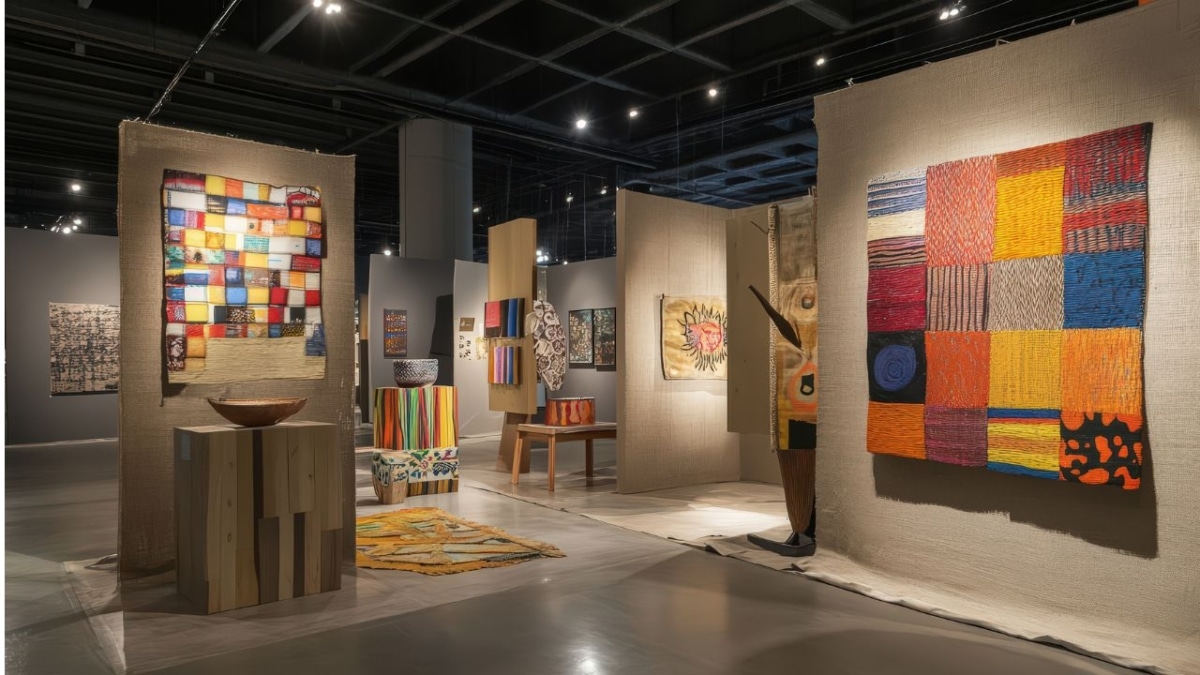
Exhibiting at Showcase Ireland for the First Time? Start Here
You’ve secured a stand at Showcase Ireland. Exciting stuff. Now comes the part nobody warns you about.
If you’re feeling a mix of excitement and mild terror, that’s about right. Showcase isn’t a local craft fair with a few dozen stalls and your aunt wandering past. It’s one of the largest creative trade shows in Europe — nearly 400 exhibitors spread across four halls at the RDS Dublin, with over 4,500 buyers descending from 25+ countries. These are retailers, boutique owners, department store buyers, international distributors. They’re not browsing. They’re sourcing.
The good news? First-timers break through at Showcase every year. The not-so-good news? So does everyone else who’s trying to break through. Your neighbours might include heritage brands who’ve been exhibiting since the 1980s.
This guide won’t tell you exactly what to do — your business is yours, and cookie-cutter advice rarely fits anyone properly. But it will give you a realistic picture of what you’re walking into, what tends to work, and what trips people up.
Showcase Ireland 2026 runs from Sunday 18th to Tuesday 20th January at the RDS Dublin.
The Shell Scheme Reality
Most first-timers book shell scheme stands. Makes sense — they’re more affordable than space-only options, and you don’t need to bring your own walls.
Here’s what you actually get: white modular panels standing 2.5 metres high (2.43m to the underside of the fascia), carpet, a fascia board with your company name, a minimum of two spotlights. Functional. Clean. Identical to the stand next door, and the one after that.
The walls are sturdy enough to attach lightweight graphics — though you’ll want to check your exhibitor manual for approved methods. Damaging the panels means charges, and nobody needs that conversation on teardown day. The spotlights provide general illumination, but if you’re showing jewellery, glassware, or anything that relies on how light catches it, you’ll likely want supplementary options.
None of this is a complaint. Shell schemes work perfectly well. They’re just a starting point, not a solution. What you do within those white walls determines whether buyers remember you or walk straight past.
If you’re weighing up your exhibition display stand options, the shell scheme gives you a blank canvas. What you paint on it is up to you.
What Makes Buyers Stop
Here’s something that sounds obvious but gets ignored constantly: buyers walk miles across those four halls. By lunchtime on day one, they’ve seen hundreds of beautiful products. Genuinely stunning work, everywhere they look.
So what makes them stop at your stand?
Not the best product, necessarily. The clearest message.
One headline. Visible from about three metres. Something that answers “what is this and why should I care?” before they’ve consciously decided to engage. Everything else — your story, your sustainability credentials, your small-batch production process — comes after they’ve stopped walking.
This is where a clean fabric backdrop earns its place. Not as decoration or brand wallpaper, but as a canvas that frames your products and communicates your positioning without screaming. A straight zipper wall creates that clean backdrop; a curved option adds visual interest if you’ve got a corner position or want to break up the sea of rectangular stands.
Worth browsing our trade show backdrop guide if you’re unsure what suits your setup.
Your Products Are the Star — Act Like It
The temptation for first-timers is to over-brand. Logo on everything. Taglines across every surface. Company colours saturating every inch of available space.
Resist.
Showcase buyers aren’t there for your logo. They’re there for your products. The ceramics, the knitwear, the jewellery, the candles, the textiles — whatever you make. Your display materials should frame that work, not compete with it.
The best stands let products breathe. A jewellery maker doesn’t need a massive pull-up banner dominating the sightline; they need proper lighting and a backdrop that doesn’t fight with delicate metalwork. A ceramicist needs surfaces that let texture speak. A knitwear brand needs space to drape, fold, show how fabric moves.
Think of your custom printed tablecloth as framing, not featuring. A complementary colour that elevates rather than distracts. A table runner adding a subtle accent over a neutral base. A stretch fabric table cover for that sleek, modern look if it suits your aesthetic.
A demo counter provides somewhere to write orders and have proper conversations — but it shouldn’t dominate a small stand. Scale matters.
The Photography Factor
Here’s something first-timers often miss entirely: buyers photograph everything.
Their phones are out constantly throughout the show. Snapping products they like. Capturing stands that catch their eye. Recording details they want to remember when they’re back in the office comparing notes with colleagues.
Those photos travel. Into buying committee presentations. Onto mood boards. Into social media posts. Shared in WhatsApp groups with other retailers.
Which means your backdrop isn’t just for the three days of Showcase — it’s for every image that leaves the hall. A wrinkled tablecloth looks fine in person; in a photograph shared with a buying team, it looks careless. A cluttered background competes with your product; a clean tension fabric display makes the product pop.
Think about what buyers see when they’re scrolling through 200 photographs on the train home. Will yours stand out? Will your products look as good on screen as they do in person?
Fabric backdrops photograph better than vinyl, incidentally. No glare, no reflection, cleaner lines. Worth knowing.
The Practical Stuff Nobody Mentions
A few unglamorous realities worth thinking through:
Storage. Where does your stock actually go? Under the table is the obvious answer, but only if your table covering hides it completely. Cardboard boxes peeking out beneath a too-short cloth undermines everything else you’ve done. A counter with internal shelving solves this neatly if you’re carrying inventory that needs to stay accessible.
Sightlines. If you’re positioned on a corner or along an aisle, buyers approach from multiple directions. A single-sided banner means half your traffic sees blank backing material. Double-sided pull-up stands or wider format pull up banners work harder in those positions.
Height restrictions. The shell scheme fascia sits at 2.5 metres. Anything you want people to actually read should be well below that — eye level, not ceiling level. Buyers aren’t craning their necks.
Power. One double socket. That’s it. If you need more, you’ll arrange it through the venue (at additional cost). Plan your devices accordingly — card reader, phone charger, perhaps a tablet for showing your catalogue. Maybe a small lamp for product lighting. It adds up faster than you’d think.
Team identification. Sounds minor. Isn’t. Buyers need to know instantly who they should be talking to. Branded lanyards sort this immediately — plus they signal a level of professionalism that loose name badges stuck to jumpers simply don’t. If sustainability matters to your brand (and at Showcase, it matters to a lot of buyers), rPET recycled lanyards make that point without saying a word.
Sustainability Matters Here More Than Most Shows
Showcase Ireland has made sustainability a genuine pillar of the event. There’s a dedicated Sustainability Award. Many exhibitors are small-batch producers, locally made, low-impact by design. Buyers — particularly from independent retailers — actively seek out brands with real environmental credentials.
This creates an opportunity, if you can back it up.
Eco-friendly table covers. Sustainable table runners. PVC-free banner materials. These aren’t just operational choices — they’re brand signals. They communicate something about your values before you’ve opened your mouth.
But only if they’re genuine. Greenwashing gets spotted fast in a room full of craft producers who actually care about this stuff. If sustainability is part of your story, make sure it’s woven through properly. If it isn’t yet, that’s fine — just don’t pretend otherwise.
The Exhibitor’s Toolkit (Without the Jargon)
A straightforward run-through of what typically goes into a solid first-timer setup:
The backdrop. Creates your branded environment and photography canvas. Fabric options travel without creasing, photograph cleanly, and generally look more premium than vinyl alternatives. Straight walls for simplicity; curved configurations if you want to create visual interest or work with an awkward floor position.
Banners. Portable, reusable, positioned at stand edges to catch passing traffic. Economy roller banners work perfectly well if budget’s a consideration. They do the job. If you’ve got more space and want more impact, wider formats or pull-up banner ranges give you options.
Table branding. Transforms generic venue furniture into something that looks intentional rather than improvised. Full tablecloths hide storage; runners add accent colour over neutral covers without overwhelming smaller tables.
Counters. Somewhere to write orders, demonstrate products, store materials, rest your coffee that isn’t sitting amongst your display pieces. A sturdy counter option matters if you’re doing any kind of demonstration.
Collateral. Business cards (obvious, but people forget). Lookbooks or line sheets if you have them. Price lists for wholesale. Our digital printing services can turn these around quickly if you’re running behind.
Team gear. Lanyards at minimum. Wristbands if you’re running any kind of appointment system or want to identify VIP visitors.
Common First-Timer Mistakes
Not to alarm you, but a few patterns worth knowing about:
Over-cluttering. More products doesn’t mean more sales. Buyers have limited time and attention. Edit ruthlessly. Show your best work, your newest collection, your hero pieces. Not your entire back catalogue since 2019.
Ignoring the aisle view. Stand inside the hall before it opens and look at your stand from where buyers will actually approach. What do they see first? If the answer is the back of a banner or a blank wall panel, reposition.
Forgetting follow-up materials. Business cards, obviously. But also something that reminds buyers what they saw — a postcard, a mini catalogue, even just a well-designed price list. They’ll meet hundreds of exhibitors. Memory fades fast.
Assuming buyers will find you. The Showcase Connect app exists for a reason. Book meetings in advance. Follow up with leads within the week — ideally within 48 hours. Waiting two weeks means competing with foggy recollections and a hundred other follow-up emails.
Underestimating the physical toll. Three days on your feet, talking constantly, in a busy exhibition hall. Bring a second pair of shoes. Pack snacks. Stay hydrated. It sounds mundane, but day three you’ll be grateful.
Questions about what might work for your particular setup? Get in touch — we’ve helped plenty of first-timers look like seasoned exhibitors.
Quick Reference — Showcase Ireland 2026
Dates: Sunday 18th – Tuesday 20th January 2026
Venue: RDS Dublin, Ballsbridge
Categories: Home & Gift, Fashion, Jewellery, Wellness
Attendance: Trade buyers only; 4,500+ expected from 27 countries
Exhibitors: Approximately 400
Organisers: Design & Crafts Council Ireland, Enterprise Ireland, Local Enterprise Offices
For registration details and exhibitor resources, head to the official Showcase Ireland website.
Further Reading
If you’re planning your approach, a few of our other guides might be useful:
- Exhibitor’s guide to Gifted: The Contemporary Craft & Design Fair — particularly relevant if you’re also considering the RDS craft fair circuit
- Exhibition branding consistency guide — keeping your visual identity coherent across different display elements
- Trade show logistics planning — the operational side of getting everything to the venue in one piece
Exhibiting at Showcase for the first time is genuinely exciting. It’s also a significant investment of time, money, and energy. If you’d like to talk through what’s worth prioritising for your particular business — what will make a difference versus what’s just nice to have — we’re happy to help.
Drop us a message or call 01 201 8700. We’ve worked with craft businesses, jewellery makers, homeware brands, wellness producers — the full Showcase spectrum. No hard sell, just honest advice.

